-
Mayur Vihar 3 Delhi, 110096 India
Free Course
Class 9 Individual Society Complete Book
Class 9 Individual Society

Course Overview
Individual in society
Subject : Individual in society
______________________________________
Lesson 1 – Understanding Myself ✅
Lesson 2 – My Emotions and Feelings
Lesson 3 – Relationships and Family
Lesson 4 – Friendship and Peer Relationships
Lesson 5 – Understanding Others and Empathy
Lesson 6 – Diversity, Equality and Dignity
Lesson 7 – Responsibility towards Family and Community
Lesson 8 – Cooperation and Conflict Resolution
Lesson 9 – Ethical Behaviour in Public Spaces
Lesson 10 – Responsible Participation in Society
Chapter 1: Understanding Myself
---------------------------------------------------------
Q1. What is an individual?
Ans. An individual is a single human being with unique qualities, abilities and experiences.
Q2. What is identity?
Ans. Identity is the way a person understands and describes who they are.
Q3. What is individuality?
Ans. Individuality means the unique qualities that make a person different from others.
Q4. What is self-awareness?
Ans. Self-awareness means understanding our own thoughts, feelings, strengths and weaknesses.
Q5. Why is self-awareness important?
Ans. Self-awareness helps us understand ourselves, make better decisions and improve our weaknesses.
Q6. How can a student know his or her strengths and weaknesses?
Ans. A student can think about their performance, interests and behaviour and take useful feedback from teachers, parents and friends.
Chapter 2: Understanding My Emotions
-------------------------------------------------------------
Q1. What are emotions?
Ans. Emotions are feelings that we experience in different situations, such as happiness, sadness, anger, fear and excitement.
Q2. Why is it important to understand our emotions?
Ans. Understanding our emotions helps us control our reactions, communicate better and make thoughtful decisions.
Q3. How can we deal with anger?
Ans. We can deal with anger by staying calm, taking a few deep breaths, thinking before speaking and discussing the problem peacefully.
Q4. Why should we express our feelings in a healthy way?
Ans. Healthy expression of feelings helps us communicate clearly and prevents unnecessary conflicts.
Q5. What should we do when our friend is feeling sad?
Ans. We should listen to our friend, show empathy and offer support instead of making fun of them.
Chapter 3: Relationships and Family
----------------------------------------------------------
Q1. What is a relationship?
Ans. A relationship is a connection between people based on interaction, care, trust and understanding.
Q2. Why are family relationships important?
Ans. Family relationships provide love, care, support and guidance. They help us learn values and responsibilities.
Q3. How can we maintain healthy relationships?
Ans. We can maintain healthy relationships by communicating honestly, listening to others, showing respect and helping one another.
Q4. Why is communication important in relationships?
Ans. Good communication helps people understand each other's thoughts and feelings and reduces misunderstandings.
Q5. What should we do when we disagree with a family member?
Ans. We should remain respectful, listen to their point of view and discuss the matter calmly.
Chapter 4: Friendship and Peer Relationships
----------------------------------------------------------
Q1. What is a good friendship?
Ans. A good friendship is based on trust, respect, honesty, care and mutual support.
Q2. What qualities should a good friend have?
Ans. A good friend should be honest, caring, trustworthy, respectful and helpful.
Q3. What is peer pressure?
Ans. Peer pressure is the influence that friends or people of the same age may have on a person's choices or behaviour.
Q4. How can a student deal with negative peer pressure?
Ans. A student should think carefully, say “no” when necessary and choose actions that are safe, responsible and right.
Q5. Why should we respect our friends' opinions?
Ans. Friends may have different experiences and ideas. Respecting their opinions helps maintain healthy relationships.
Chapter 5: See in Next Draft ↓ in continuation ↓
Chapter 5: Understanding Others and Empathy
----------------------------------------------------------
Q1. What is empathy?
Ans. Empathy is the ability to understand and share another person's feelings.
Q2. How is empathy different from sympathy?
Ans. Sympathy means feeling concern for someone, while empathy means trying to understand what the other person is feeling or experiencing.
Q3. Why is empathy important?
Ans. Empathy helps us understand others, build better relationships and respond to people with kindness and care.
Q4. How can we show empathy in school?
Ans. We can listen to others, help classmates, include students in activities and avoid making fun of someone's difficulties.
Q5. Why should we understand different points of view?
Ans. Understanding different points of view helps us become open-minded and reduces misunderstandings and conflicts.
Write & Prepare for Examination
Questions for Students
A. Answer in one or two sentences
Q1. What is an individual?
Ans. An individual is a single human being with unique qualities, experiences and characteristics.
Q2. What is identity?
Ans. Identity is the way a person understands and describes who they are.
Q3. What is individuality?
Ans. Individuality refers to the unique qualities and characteristics that make a person different from others.
Q4. What is self-awareness?
Ans. Self-awareness is the ability to understand our own thoughts, feelings, strengths and areas for improvement.
B. Think and Answer
Q5. Why are all students not exactly alike?
Ans. Students have different families, experiences, interests, abilities, opinions and personalities. Therefore, every student develops a unique identity.
Q6. Is being different from others a weakness?
Ans. No. Being different is natural. Differences can make society diverse and interesting, provided we respect one another.
Do in your Notebook : -
Very Short Answer Questions
Q1. What is an individual?
Ans. An individual is a single human being with unique qualities, abilities and experiences.
Q2. What is identity?
Ans. Identity is the way a person understands and describes who they are.
Q3. What is individuality?
Ans. Individuality means the unique qualities that make a person different from others.
Q4. What is self-awareness?
Ans. Self-awareness means understanding our own thoughts, feelings, strengths and weaknesses.
Q5. What is empathy?
Ans. Empathy is the ability to understand and share another person's feelings.
Q6. What is respect?
Ans. Respect means treating other people with kindness, dignity and consideration.
Q7. What is diversity?
Ans. Diversity means the presence of differences among people in a society.
Q8. What is cooperation?
Ans. Cooperation means working together to achieve a common goal.
Short Answer Questions
Q9. Why is every individual unique?
Ans. Every individual has different experiences, abilities, interests, opinions, feelings and values. These differences make each person unique.
Q10. Why is self-awareness important?
Ans. Self-awareness helps us understand our strengths and weaknesses. It helps us make better decisions and improve ourselves.
Q11. How does our identity develop?
Ans. Our identity develops through our experiences, relationships, interests, values, abilities and interactions with other people.
Q12. Why should we respect people's differences?
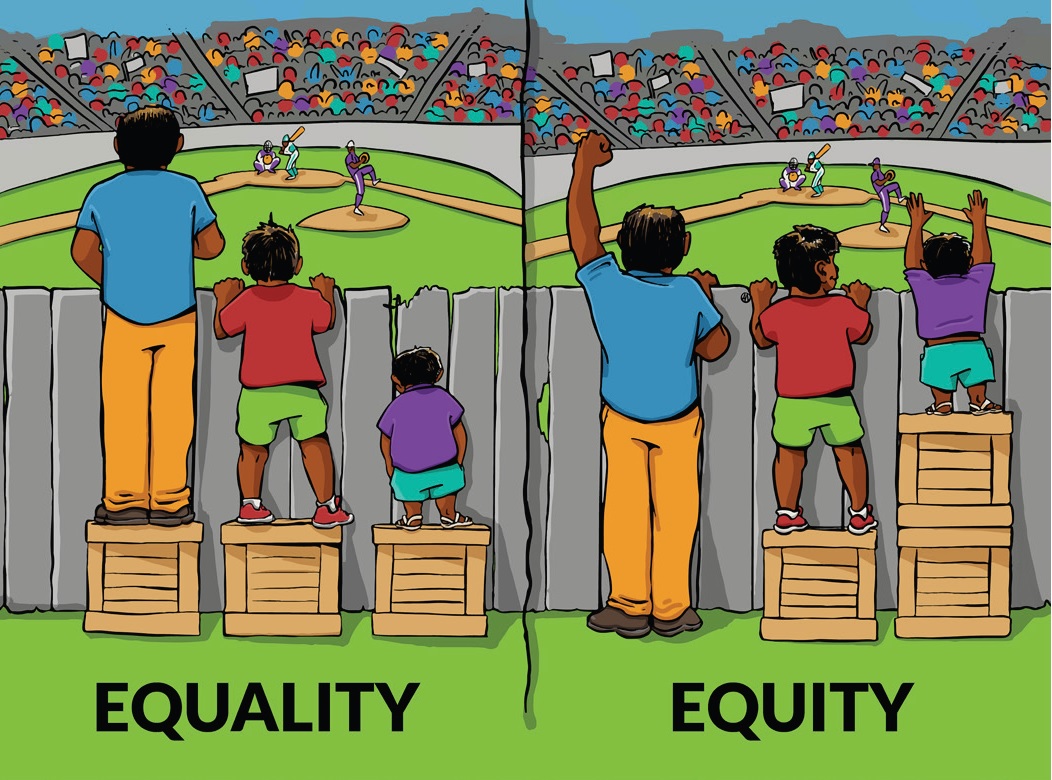
Ans. People have different backgrounds, abilities, opinions and interests. Respecting these differences helps create equality, understanding and harmony in society.
Q13. What is the importance of empathy in relationships?
Ans. Empathy helps us understand other people's feelings and situations. It makes our relationships more caring and respectful.
Q14. How can students show responsibility at school?
Ans. Students can follow school rules, respect teachers and classmates, keep the school clean, complete their work and help others.
Q15. Why is cooperation important in society?
Ans. Cooperation helps people work together, solve problems and achieve common goals. It also builds trust and harmony.
Long Answer Questions
Q16. Explain the difference between individuality and identity.
Ans. Identity is the way a person understands and describes who they are. It may include their interests, abilities, experiences, values and relationships. Individuality refers to the unique qualities that make one person different from another. Both are important for understanding ourselves and others.
Q17. How can a student develop self-awareness?
Ans. A student can develop self-awareness by thinking about their feelings, interests, strengths and weaknesses. They can take feedback from trusted people, reflect on their experiences and identify areas where they want to improve.
Q18. Why is diversity important in society?
Ans. Diversity means that people have different backgrounds, languages, cultures, abilities, interests and opinions. Diversity makes society rich and varied. When people respect these differences, it promotes understanding, equality and social harmony.
Q19. Explain the importance of empathy and respect in society.
Ans. Empathy helps us understand the feelings and situations of other people. Respect teaches us to value every person and treat them with dignity. Together, empathy and respect help reduce conflicts and build healthy relationships and a peaceful society.
Q20. What can young people do to become responsible members of society?
Ans. Young people can follow rules, respect others, help people in need, protect public property, keep their surroundings clean and participate positively in school and community activities. They should also think carefully before making decisions and understand their responsibilities towards others.
⭐ Situation-Based Questions
_____________________________________
Q21. Your classmate gives an opinion different from yours. What should you do?
Ans. I should listen respectfully, try to understand their point of view and express my own opinion politely. I should not insult or disrespect them.
Q22. A new student is sitting alone in the classroom. What can you do?
Ans. I can talk to the student politely, introduce myself and invite them to participate in activities. This can help the student feel welcomed.
Q23. Two students in your group disagree about how to complete a project. What should they do?
Ans. They should listen to each other, discuss the different ideas and find a solution acceptable to everyone.
Q24. You notice that a student is being excluded from a group activity. What should you do?
Ans. I should encourage the group to include the student and ensure that everyone gets a fair opportunity to participate.
Q1. What is identity? Explain with an example.
Answer:
Identity is the way a person understands and describes who they are. It includes our interests, abilities, experiences, values and relationships.
Example: A student may identify himself or herself as a good reader, a helpful friend and a hardworking student. These qualities are part of the student's identity.
Q2. What is self-awareness and why is it important?
Answer:
Self-awareness means understanding our own thoughts, feelings, strengths and weaknesses. It is important because it helps us understand ourselves, make better decisions and improve our weaknesses.
Example: If a student knows that he or she is good at drawing but needs to improve speaking skills, the student can work to improve speaking.
Q3. Why should we respect diversity?
Answer:
We should respect diversity because people are different in their culture, language, interests, abilities, opinions and experiences. These differences make society rich and varied. Respecting diversity promotes equality, understanding and social harmony.
Q4. What is empathy? Why is it important in relationships?
Answer:
Empathy is the ability to understand and share another person's feelings. It is important because it helps us understand others, care for them and respond to their feelings in a kind and respectful way.
Example: If our friend is sad, we should try to understand their feelings and support them instead of making fun of them.
Q5. How can students become responsible members of society?
Answer:
Students can become responsible members of society by following rules, respecting others, helping people in need, keeping their surroundings clean and taking care of public property. They should also cooperate with others and participate positively in school and community activities.
Q1. What is identity? Explain with an example.
Answer:
Identity is the way a person understands and describes who they are. It includes our interests, abilities, values, experiences and relationships.
Example: A student may identify himself or herself as a good reader, a helpful friend and a hardworking learner. These qualities form the student's identity.
Q2. What is self-awareness and why is it important?
Answer:
Self-awareness means understanding our own thoughts, feelings, strengths and weaknesses. It is important because it helps us make better decisions, improve ourselves and understand our emotions.
Q3. What are emotions? Why should we understand them?
Answer:
Emotions are feelings such as happiness, sadness, anger, fear and excitement. We should understand our emotions because they affect our behaviour and decisions. Understanding emotions helps us express our feelings in a healthy way.
Q4. How can we deal with anger in a healthy way?
Answer:
We can deal with anger by staying calm, taking deep breaths, thinking before speaking and discussing problems peacefully. We should avoid hurting others with words or actions.
Q5. Why are family relationships important?
Answer:
Family relationships are important because family members provide love, care, support and guidance. They help us learn values, responsibilities and good behaviour.
Q6. How can we maintain healthy relationships?
Answer:
We can maintain healthy relationships by communicating honestly, listening carefully, respecting others, helping one another and solving disagreements peacefully.
Q7. What are the qualities of a good friend?
Answer:
A good friend is honest, kind, helpful, respectful and trustworthy. A good friend supports others and respects their feelings.
Q8. What is peer pressure? How can we deal with negative peer pressure?
Answer:
Peer pressure is the influence of friends or people of the same age on our behaviour or choices. We can deal with negative peer pressure by thinking carefully, saying “No” when needed and making responsible decisions.
Q9. What is empathy? Why is it important in relationships?
Answer:
Empathy is the ability to understand and share another person's feelings. It is important because it helps us care for others, understand their problems and build strong relationships.
Q10. Why should we respect different opinions and points of view?
Answer:
People have different experiences, ideas and beliefs. Respecting different opinions promotes understanding, equality and social harmony.
Case-Based Practice Questions
Case Study 1
Riya is a new student in the class. She feels shy and does not talk to anyone. Some students ignore her, but Anjali introduces herself and helps Riya make friends.
Questions:
What quality did Anjali show?
Answer: Anjali showed empathy, kindness and helpfulness.
Why is empathy important?
Answer: Empathy helps us understand others' feelings and support them.
What should other students do?
Answer: Other students should include Riya in activities and make her feel comfortable.
Case Study 2
Rahul's friends ask him to skip classes and play outside. Rahul knows this is wrong and refuses.
Questions:
What is this situation called?
Answer: This is an example of peer pressure.
Did Rahul make the right decision?
Answer: Yes, Rahul made a responsible decision.
What should students do in such situations?
Answer: Students should think carefully and choose what is right.
Case Study 3
Two students have different ideas for a project. They listen to each other and combine their ideas.
Questions:
Which values are shown here?
Answer: Cooperation, respect and teamwork.
Why is cooperation important?
Answer: Cooperation helps people work together and achieve common goals.
How can disagreements be solved?
Answer: Disagreements can be solved through discussion and mutual respect.
Case Study 4
A student becomes angry during a game and starts shouting at classmates.
Questions:
Which emotion is shown?
Answer: Anger.
How should the student control anger?
Answer: The student should stay calm, take deep breaths and talk politely.
Why is emotional control important?
Answer: Emotional control helps maintain good relationships and avoid conflicts.
Most Important Topics for Mid-Term
Identity and Self-awareness
Emotions and Feelings
Family and Relationships
Friendship and Peer Pressure
Empathy and Respect
Cooperation and Responsibility
Diversity and Different Opinions.
Course Curriculum
No Curriculum Added Yet
Course content will be added soon.
This course is offered directly by the platform and is not tied to a specific instructor.
0
0 Reviews
No Reviews Yet
Be the first to review this course.