-
Mayur Vihar 3 Delhi, 110096 India
Free Course
Class 10th Geography Chapter Minerals and Energy Resources Important Question and Answers in English and Hindi
Class 10th Geography Chapter Minerals and Energy Resources Important Question and Answers in English and Hindi
Course Overview
### Class 9 Geography: Minerals and Energy Resources
### खनिज एवं ऊर्जा संसाधन — Most Important Questions & Answers
Hindi + English | परीक्षा उपयोगी नोट्स | Short, Long & Important Questions
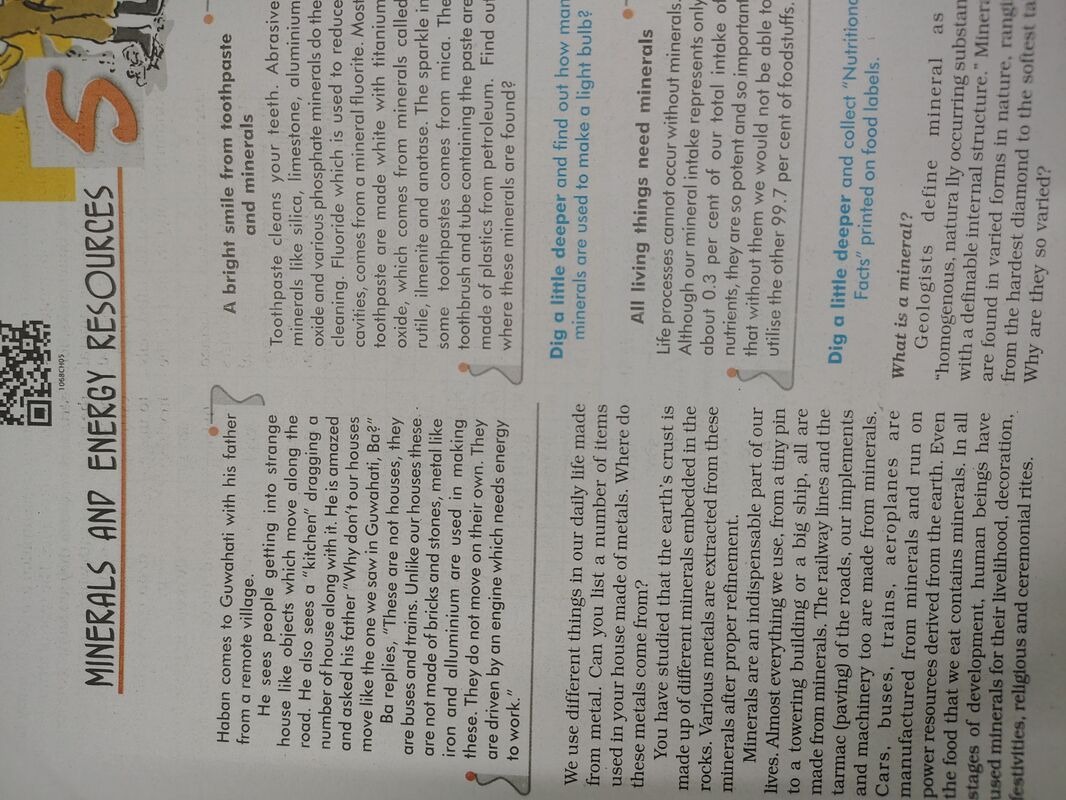
ये नोट्स कक्षा 9 के भूगोल में Minerals and Energy Resources (खनिज एवं ऊर्जा संसाधन) अध्याय की तैयारी के लिए हैं। ध्यान दें: अलग-अलग बोर्डों में अध्याय का नाम और विषय-वस्तु अलग हो सकती है, इसलिए नीचे दिए गए प्रश्न सामान्य भूगोल की प्रमुख अवधारणाओं पर आधारित हैं।
### Part A: Very Short Answer Questions (1–2 Marks)
### Q1. What is a mineral? / खनिज क्या है?
English: A mineral is a naturally occurring substance with a definite chemical composition and characteristic properties.
हिंदी: खनिज एक प्राकृतिक रूप से पाया जाने वाला पदार्थ है, जिसका निश्चित रासायनिक संघटन और विशिष्ट गुण होते हैं।
### Q2. What are metallic minerals? / धात्विक खनिज क्या हैं?
English: Minerals that contain metals and can yield metals after processing are called metallic minerals. Examples: iron ore, copper and bauxite.
हिंदी: जिन खनिजों से प्रसंस्करण द्वारा धातुएँ प्राप्त की जाती हैं, उन्हें धात्विक खनिज कहते हैं। उदाहरण: लौह अयस्क, ताँबा और बॉक्साइट।
### Q3. What are non-metallic minerals? / अधात्विक खनिज क्या हैं?
English: Minerals that do not yield metals are called non-metallic minerals. Examples: mica, limestone and gypsum.
हिंदी: जिन खनिजों से धातुएँ प्राप्त नहीं होतीं, उन्हें अधात्विक खनिज कहते हैं। उदाहरण: अभ्रक, चूना पत्थर और जिप्सम।
### Q4. What are energy resources? / ऊर्जा संसाधन क्या हैं?
English: Resources used to produce heat, electricity or power for different activities are called energy resources.
हिंदी: जिन संसाधनों का उपयोग ऊष्मा, बिजली या अन्य कार्यों के लिए ऊर्जा प्राप्त करने में किया जाता है, उन्हें ऊर्जा संसाधन कहते हैं।
### Q5. What are conventional sources of energy? / ऊर्जा के परंपरागत स्रोत क्या हैं?
English: Sources that have been widely used for a long time, such as coal, petroleum, natural gas and firewood, are called conventional energy sources.
हिंदी: ऊर्जा के वे स्रोत जिनका लंबे समय से व्यापक उपयोग होता रहा है, परंपरागत ऊर्जा स्रोत कहलाते हैं। उदाहरण: कोयला, पेट्रोलियम, प्राकृतिक गैस और लकड़ी।
### Q6. What are non-conventional sources of energy? / गैर-परंपरागत ऊर्जा स्रोत क्या हैं?
English: Alternative energy sources such as solar, wind, tidal and geothermal energy are called non-conventional sources.
हिंदी: सौर, पवन, ज्वारीय और भू-तापीय ऊर्जा जैसे वैकल्पिक स्रोत गैर-परंपरागत ऊर्जा स्रोत कहलाते हैं।
### Q7. What is an ore? / अयस्क क्या है?
English: An ore is a mineral or natural material from which a metal can be extracted economically.
हिंदी: अयस्क ऐसा खनिज या प्राकृतिक पदार्थ है जिससे आर्थिक रूप से लाभकारी तरीके से धातु निकाली जा सकती है।
### Q8. Why are minerals important? / खनिज क्यों महत्त्वपूर्ण हैं?
English: Minerals are essential for industries, construction, transport, agriculture, machinery and the development of the economy.
हिंदी: खनिज उद्योगों, निर्माण, परिवहन, कृषि, मशीनों और आर्थिक विकास के लिए आवश्यक हैं।
### Part B: Short Answer Questions (3 Marks)
### Q9. Explain the importance of minerals. / खनिजों का महत्त्व समझाइए।
English:
* Minerals provide raw materials for industries.
* They are used in buildings, roads, vehicles and machines.
* They support economic development and employment.
हिंदी:
* खनिज उद्योगों को कच्चा माल प्रदान करते हैं।
* इनका उपयोग भवनों, सड़कों, वाहनों और मशीनों में होता है।
* ये आर्थिक विकास और रोजगार में योगदान देते हैं।
### Q10. Differentiate between renewable and non-renewable energy resources. / नवीकरणीय और अनवीकरणीय ऊर्जा संसाधनों में अंतर बताइए।
| Basis / आधार | Renewable / नवीकरणीय | Non-renewable / अनवीकरणीय |
| ----------------------- | ---------------------------------------------------------- | ------------------------------------------------------------------------------ |
| Meaning / अर्थ | Naturally replenished / प्राकृतिक रूप से पुनः उपलब्ध | Limited and formed over very long periods / सीमित और बनने में बहुत समय लगता है |
| Examples / उदाहरण | Solar, wind / सौर, पवन | Coal, petroleum / कोयला, पेट्रोलियम |
| Availability / उपलब्धता | Usually replenishable / सामान्यतः पुनः प्राप्त हो सकते हैं | Can be exhausted / समाप्त हो सकते हैं |
### Q11. Why should we conserve minerals? / हमें खनिजों का संरक्षण क्यों करना चाहिए?
English:
* Minerals are finite and take a long time to form.
* Excessive mining can damage the environment.
* Conservation ensures availability for future generations.
हिंदी:
* खनिज सीमित हैं और इनके निर्माण में बहुत लंबा समय लगता है।
* अत्यधिक खनन से पर्यावरण को नुकसान हो सकता है।
* संरक्षण से भविष्य की पीढ़ियों के लिए खनिज उपलब्ध रहेंगे।
### Q12. Write three advantages of solar energy. / सौर ऊर्जा के तीन लाभ लिखिए।
English:
* It is renewable and widely available.
* It produces very little air pollution during operation.
* It is useful in remote areas without reliable electricity.
हिंदी:
* यह नवीकरणीय ऊर्जा है और व्यापक रूप से उपलब्ध है।
* इसके उपयोग के दौरान वायु प्रदूषण बहुत कम होता है।
* यह उन दूरस्थ क्षेत्रों में उपयोगी है जहाँ बिजली की नियमित सुविधा नहीं है।
### Q13. What are the uses of coal? / कोयले के उपयोग क्या हैं?
English:
* Coal is used to generate electricity.
* It is used in industries such as iron and steel production.
* It is used as a fuel in some industrial processes.
हिंदी:
* कोयले का उपयोग बिजली उत्पादन में होता है।
* इसका उपयोग लोहा और इस्पात उद्योगों में किया जाता है।
* कुछ औद्योगिक प्रक्रियाओं में इसका उपयोग ईंधन के रूप में होता है।
### Q14. What are the environmental effects of mining? / खनन के पर्यावरणीय प्रभाव क्या हैं?
English:
* Deforestation and destruction of habitats.
* Air, water and noise pollution.
* Soil erosion and land degradation.
हिंदी:
* वनों की कटाई और जीवों के आवासों का विनाश।
* वायु, जल और ध्वनि प्रदूषण।
* मृदा अपरदन और भूमि का क्षरण।
### Part C: Long Answer Questions (5 Marks)
### Q15. Explain the different sources of energy. / ऊर्जा के विभिन्न स्रोतों की व्याख्या कीजिए।
English:
Energy resources can be classified into two main groups:
* Conventional sources: Coal, petroleum, natural gas and firewood.
* Non-conventional sources: Solar energy, wind energy, tidal energy and geothermal energy.
* Hydroelectric power: Electricity generated using flowing or falling water.
* Nuclear energy: Energy released through nuclear reactions.
* Biomass energy: Energy obtained from organic materials such as agricultural waste and animal dung.
हिंदी:
ऊर्जा संसाधनों को मुख्य रूप से निम्नलिखित वर्गों में बाँटा जा सकता है:
* परंपरागत स्रोत: कोयला, पेट्रोलियम, प्राकृतिक गैस और लकड़ी।
* गैर-परंपरागत स्रोत: सौर ऊर्जा, पवन ऊर्जा, ज्वारीय ऊर्जा और भू-तापीय ऊर्जा।
* जलविद्युत: बहते या गिरते पानी से उत्पन्न बिजली।
* परमाणु ऊर्जा: नाभिकीय अभिक्रियाओं से प्राप्त ऊर्जा।
* जैवभार ऊर्जा: कृषि अपशिष्ट और पशुओं के गोबर जैसे जैविक पदार्थों से प्राप्त ऊर्जा।
### Q16. Describe the methods of mineral conservation. / खनिज संरक्षण के उपायों का वर्णन कीजिए।
English:
* Use minerals carefully and avoid unnecessary wastage.
* Recycle metals such as iron, aluminium and copper.
* Use improved mining and processing techniques.
* Find suitable substitutes for scarce minerals wherever possible.
* Restore mined land and follow environmentally responsible mining practices.
हिंदी:
* खनिजों का सावधानीपूर्वक उपयोग करें और अनावश्यक बर्बादी रोकें।
* लोहा, एल्युमिनियम और ताँबे जैसी धातुओं का पुनर्चक्रण करें।
* बेहतर खनन और प्रसंस्करण तकनीकों का उपयोग करें।
* जहाँ संभव हो, दुर्लभ खनिजों के उपयुक्त विकल्प अपनाएँ।
* खनन के बाद भूमि का पुनर्वास करें और पर्यावरण के अनुकूल खनन अपनाएँ।
### Q17. Explain the advantages and disadvantages of petroleum. / पेट्रोलियम के लाभ और हानियाँ बताइए।
English:
Advantages:
* It is an important fuel for transport.
* It is used to produce many petrochemical products.
* It provides energy for industries and other activities.
Disadvantages:
* It is non-renewable.
* Burning petroleum releases greenhouse gases and air pollutants.
* Oil spills can damage marine ecosystems.
हिंदी:
लाभ:
* यह परिवहन का एक प्रमुख ईंधन है।
* इससे अनेक पेट्रोकेमिकल उत्पाद बनाए जाते हैं।
* यह उद्योगों और अन्य गतिविधियों के लिए ऊर्जा प्रदान करता है।
हानियाँ:
* यह अनवीकरणीय संसाधन है।
* पेट्रोलियम जलाने से ग्रीनहाउस गैसें और वायु प्रदूषक निकलते हैं।
* तेल रिसाव से समुद्री पारिस्थितिकी तंत्र को नुकसान पहुँच सकता है।
### Q18. Why is the use of renewable energy increasing? / नवीकरणीय ऊर्जा का उपयोग क्यों बढ़ रहा है?
English:
* Fossil fuels are limited and will eventually be exhausted.
* Renewable sources can be replenished naturally.
* They can reduce dependence on fossil fuels.
* They generally cause less pollution during operation.
* They support sustainable development and energy security.
हिंदी:
* जीवाश्म ईंधन सीमित हैं और अंततः समाप्त हो सकते हैं।
* नवीकरणीय ऊर्जा स्रोत प्राकृतिक रूप से पुनः उपलब्ध होते रहते हैं।
* इनसे जीवाश्म ईंधनों पर निर्भरता कम हो सकती है।
* इनके संचालन के दौरान सामान्यतः प्रदूषण कम होता है।
* ये सतत विकास और ऊर्जा सुरक्षा को बढ़ावा देते हैं।
### Part D: Important MCQs
### Practice Test / अभ्यास परीक्षा
0/6 answered
1. Which of the following is a metallic mineral? / निम्नलिखित में से कौन-सा धात्विक खनिज है?
A. Mica / अभ्रक
B. Iron ore / लौह अयस्क
C. Limestone / चूना पत्थर
D. Gypsum / जिप्सम
2. Which is a renewable source of energy? / नवीकरणीय ऊर्जा स्रोत कौन-सा है?
A. Coal / कोयला
B. Petroleum / पेट्रोलियम
C. Solar energy / सौर ऊर्जा
D. Natural gas / प्राकृतिक गैस
3. Which fuel is formed from ancient organic matter over millions of years? / लाखों वर्षों में प्राचीन जैविक पदार्थों से कौन-सा ईंधन बनता है?
A. Wind / पवन
B. Petroleum / पेट्रोलियम
C. Sunlight / सूर्य का प्रकाश
D. Tidal energy / ज्वारीय ऊर्जा
4. Which mineral is a major source of aluminium? / एल्युमिनियम का प्रमुख स्रोत कौन-सा खनिज है?
A. Bauxite / बॉक्साइट
B. Mica / अभ्रक
C. Gypsum / जिप्सम
D. Coal / कोयला
5. Which activity can cause land degradation? / किस गतिविधि से भूमि का क्षरण हो सकता है?
A. Recycling / पुनर्चक्रण
B. Rainwater harvesting / वर्षा जल संचयन
C. Uncontrolled mining / अनियंत्रित खनन
D. Solar power generation / सौर ऊर्जा उत्पादन
6. Which energy source uses moving air? / गतिशील वायु से कौन-सी ऊर्जा प्राप्त होती है?
A. Wind energy / पवन ऊर्जा
B. Nuclear energy / परमाणु ऊर्जा
C. Geothermal energy / भू-तापीय ऊर्जा
D. Coal energy / कोयला ऊर्जा
Reset Test / दोबारा प्रयास करें
### Quick Revision / त्वरित पुनरावृत्ति
| Topic / विषय | याद रखने योग्य बात |
| ----------------------------- | ------------------------------------------------------------------------------------------ |
| Mineral / खनिज | Naturally occurring substance / प्राकृतिक पदार्थ |
| Ore / अयस्क | Material from which metal is economically extracted / जिससे लाभकारी ढंग से धातु निकाली जाए |
| Renewable / नवीकरणीय | Solar, wind, tidal / सौर, पवन, ज्वारीय |
| Non-renewable / अनवीकरणीय | Coal, petroleum, natural gas / कोयला, पेट्रोलियम, प्राकृतिक गैस |
| Conservation / संरक्षण | Reduce waste, recycle, use efficiently / बर्बादी रोकें, पुनर्चक्रण करें, कुशल उपयोग करें |
| Mining impact / खनन का प्रभाव | Pollution, deforestation, land degradation / प्रदूषण, वनों की कटाई, भूमि क्षरण |
Exam tip / परीक्षा सुझाव: परिभाषाएँ, अंतर, खनिज संरक्षण, ऊर्जा स्रोतों के उदाहरण और खनन के पर्यावरणीय प्रभाव अच्छी तरह तैयार करें।
एक महत्त्वपूर्ण बात: यदि आप अपनी कक्षा 9 की भूगोल की पुस्तक का नाम या अध्याय के पहले पृष्ठ की फोटो भेज दें, तो मैं उसी पुस्तक के अनुसार सटीक पाठ्यक्रम वाले प्रश्न-उत्तर तैयार कर सकता हूँ।
Course Curriculum
No Curriculum Added Yet
Course content will be added soon.
This course is offered directly by the platform and is not tied to a specific instructor.
0
0 Reviews
No Reviews Yet
Be the first to review this course.